Water Damage Restoration in Kissing Tree, TX
Kissing Tree is the 55-and-better community on the south side of San Marcos, off Hunter Road near I-35, developed by Brookfield Residential with David Weekley Homes building the houses. It opened in the mid-2010s and has grown to thousands of single-story slab homes around an eighteen-hole golf course, resort pools, pickleball courts, a fitness center, and a full calendar of clubs. Most owners moved here from somewhere else and many travel for weeks at a time.
That is the water risk. A single-story house with the water heater in the garage, a pressure-fed refrigerator line, and an owner away for a month can leak for weeks before a neighbor notices water under the garage door. The ground along Hunter Road is on the limestone side of the fault, so slabs are stable, but hard aquifer water still shortens the life of every tank heater in the community.
This site passes Kissing Tree homeowners to an independent local water damage provider by phone. The provider puts a meter on the walls before putting anything in writing.
Kissing Tree water damage when the owners are away
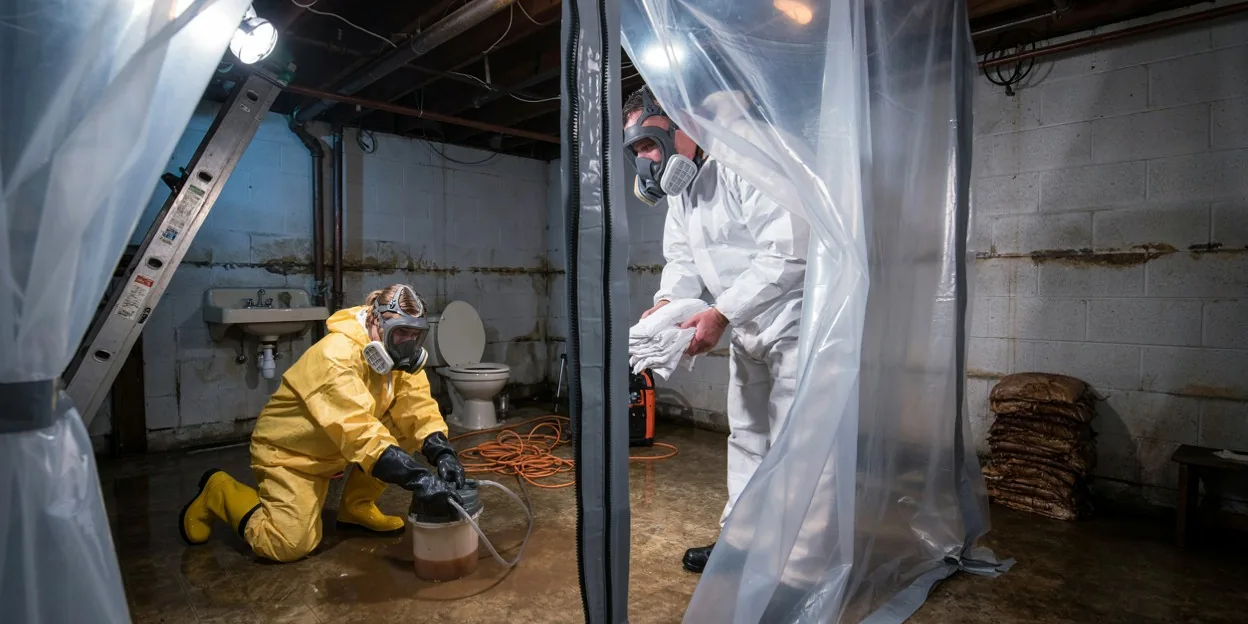
A refrigerator line or a washer hose that ran for two weeks in an empty house is water extraction first and a long structural drying job second, because the slab and the cabinet bases have been soaking. A garage tank heater that failed while you were traveling is water heater leak cleanup, and the walls shared with the house get metered.
The association, the gate, and the neighbor with the key
Kissing Tree has an HOA with rules on contractor access and hours, and many owners leave a key with a neighbor or the community office. Tell the crew who can let them in if you are calling from out of town, and whether the house has a smart water shutoff they can close for you.
Call (737) 283-4979 and tell us what the neighbor saw. We pass the call to a local water damage provider serving Kissing Tree.
Services Available in Kissing Tree
Water Extraction
Standing water pulled off slab floors, tile, and rental carpet in a San Marcos house, then every room metered to see where it ran.
Structural Drying
Dehumidifiers and air movers run against Hays County humidity until drywall, cabinets, and subfloor read dry on the meter.
Leak Detection
A warm tile, a meter that will not stop, or a soft wall traced to a slab line or a wall pipe before anyone opens concrete.
Burst Pipe Water Damage
Ceilings, walls, and floors soaked when an attic or exterior-wall line split in a freeze, extracted and dried after the valve closes.
Flash Flood Cleanup
Blanco River silt, Purgatory Creek runoff, and street water pulled out of a ground floor, ruined materials removed, and the house dried.
Water Heater Leak Cleanup
A failed tank in a garage, closet, or attic, with the ceiling, insulation, and walls below it metered and dried.
Ceiling Water Damage Repair
A sagging or stained ceiling under an upstairs bath, a roof leak, or an attic unit, opened only as far as the meter says.
Roof Leak Water Damage
Hail-cracked shingles and lifted flashing that let a storm into the attic, with the wet insulation and ceiling dried once the roof is covered.